
Our Student Resources Collection is designed to easily help you master financial concepts and accounting methodologies easily, without spending lots of time on long-winded exercises.
With our visual models,

you’ll quickly gain a deeper understanding of the subject.
Our students assessment outcomes prove that many students have improved significantly in their results.
Most of our students have improved their personal scores in assessments by more than 15% after partaking in our programs.
These unique methods are not available elsewhere.
Do you feel that you would like a tutor, but the costs are too high?

can definitely help you at a fraction of the cost.
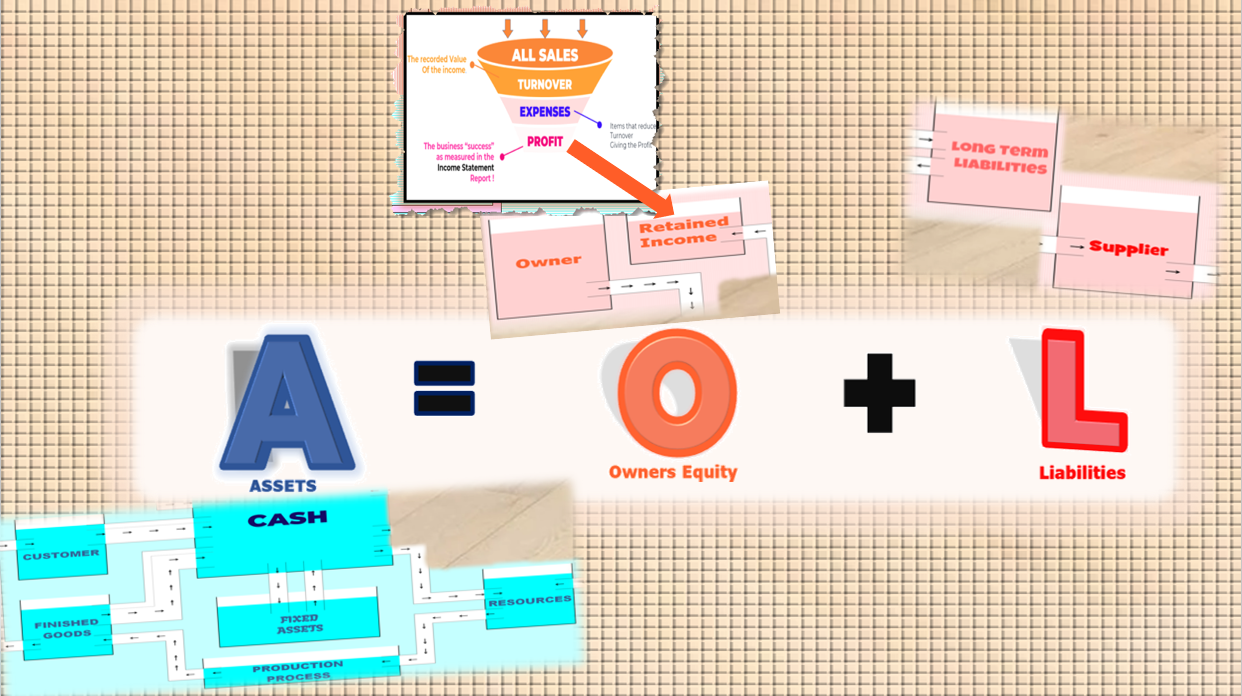
Are you finding the Accounting Equation difficult to master?
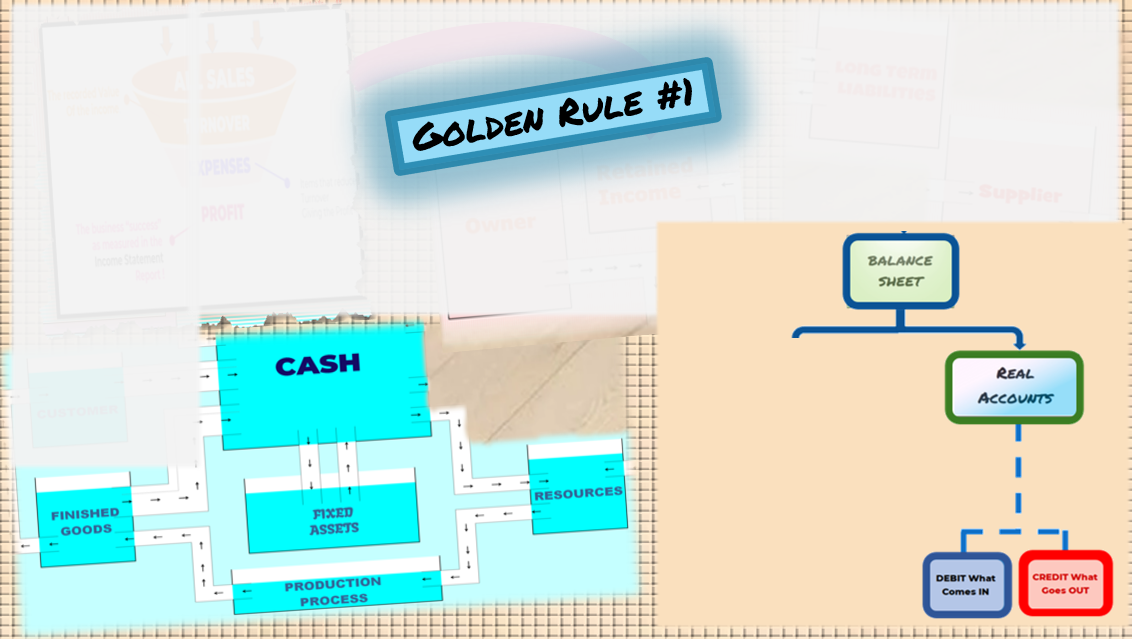
Then use the accounting entry tool which will help you identify what accounting entries go into which accounts and how do they affect the.

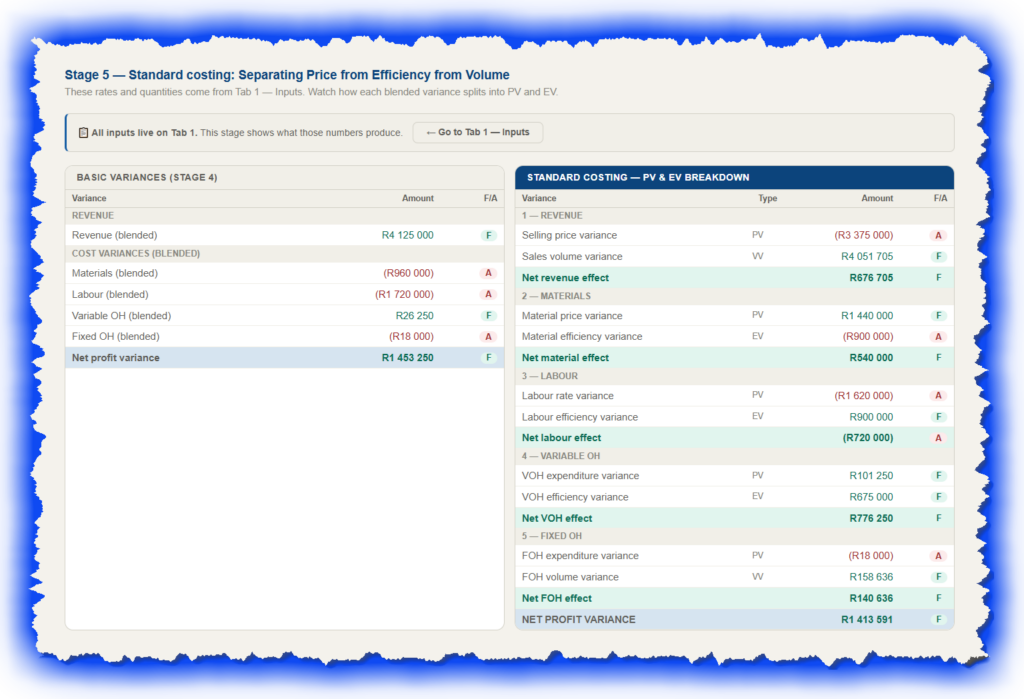
Are you finding it difficult to see the difference between Standard Costing and Marginal Costing?
This tool will help you explore the world of different costing systems.
Master the variance calculations between the various methodoligies and their calculations.
Master Variance Analysis like a pro.
It has nothing to do with your memory.
Its how you have been shown!
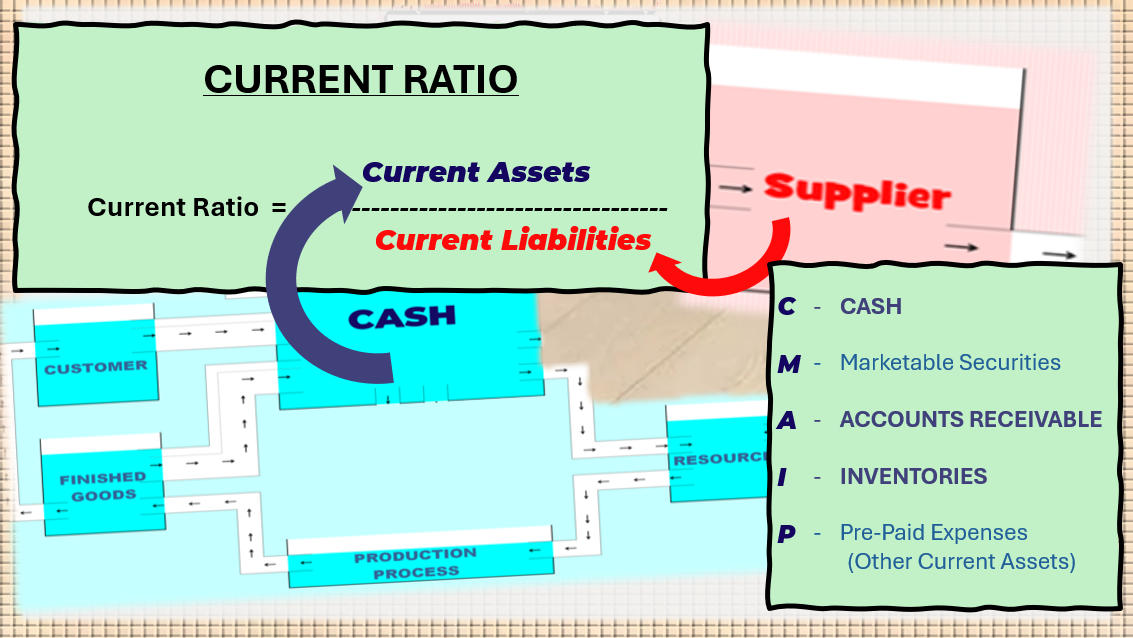
Some people find it difficult to remember the different ratios.
During the exams they start to panic. The reason is that its not a memory game. Its about understanding what they do.
This tool and method will help you SEE THEM !
Once you can visualize them they become easy to remember.
 and you will never forget them again, nor will you panic when someone asks you how to calculate the quick ratio.
Many students have found accounting for fixed assets difficult to follow.
They get trapped by why they get recorded at the historical cost.
Then they get more confused when they get told that the asset gets written down to a book value.
This little booklet will let you see it forever.
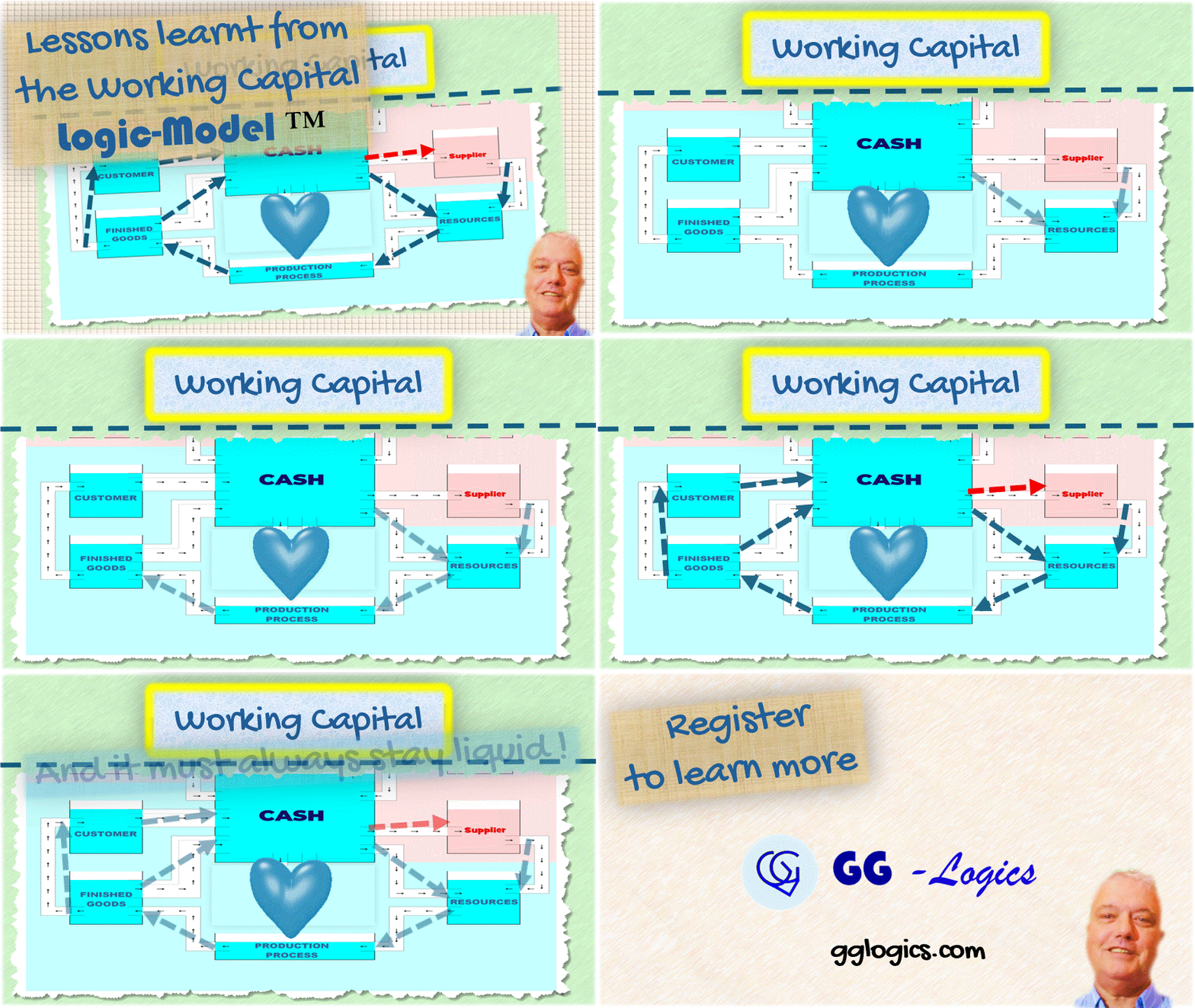
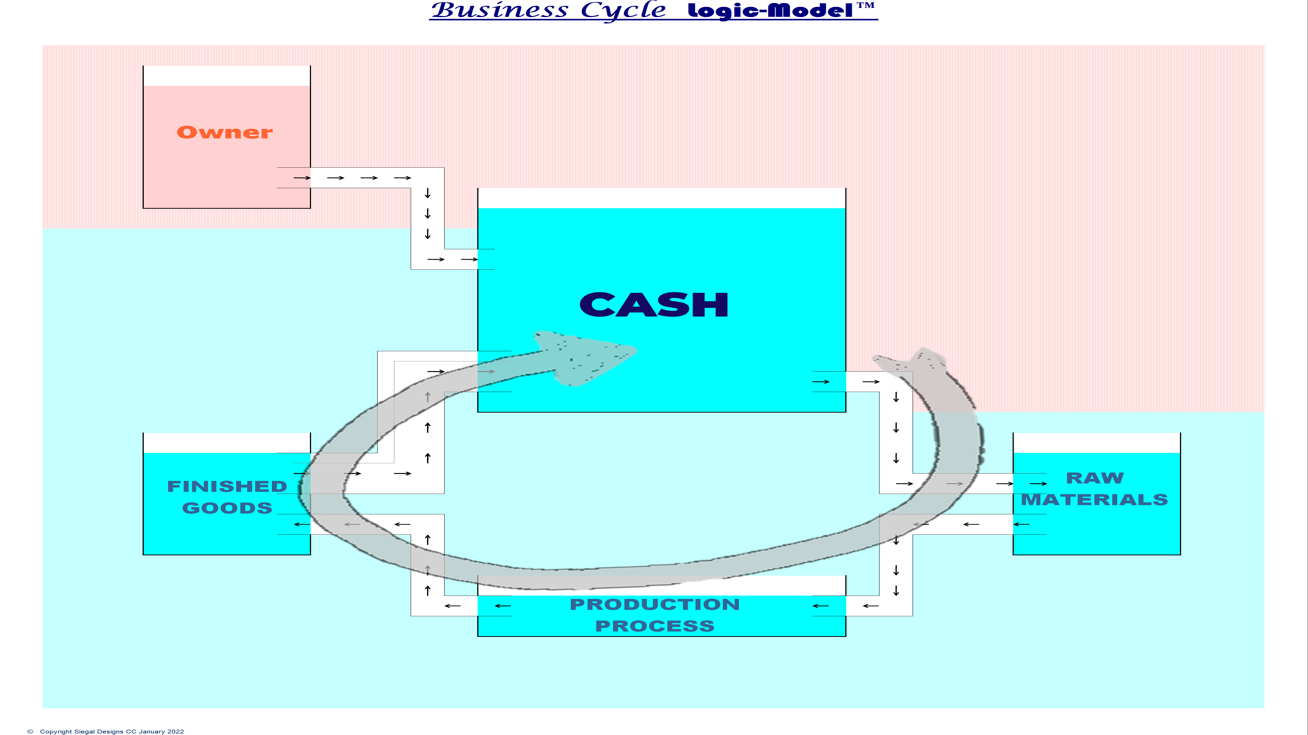
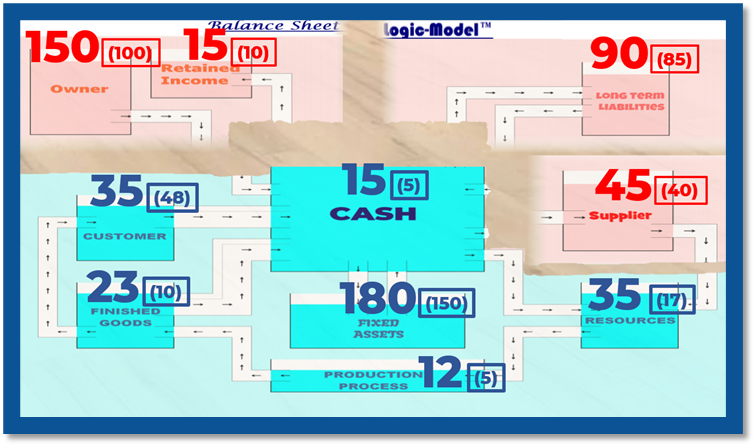
Students do not always see thecash conversion cycle as the path that the money follows once suppliers (accounts payable) deliver goods for the process of manufacture within a business.
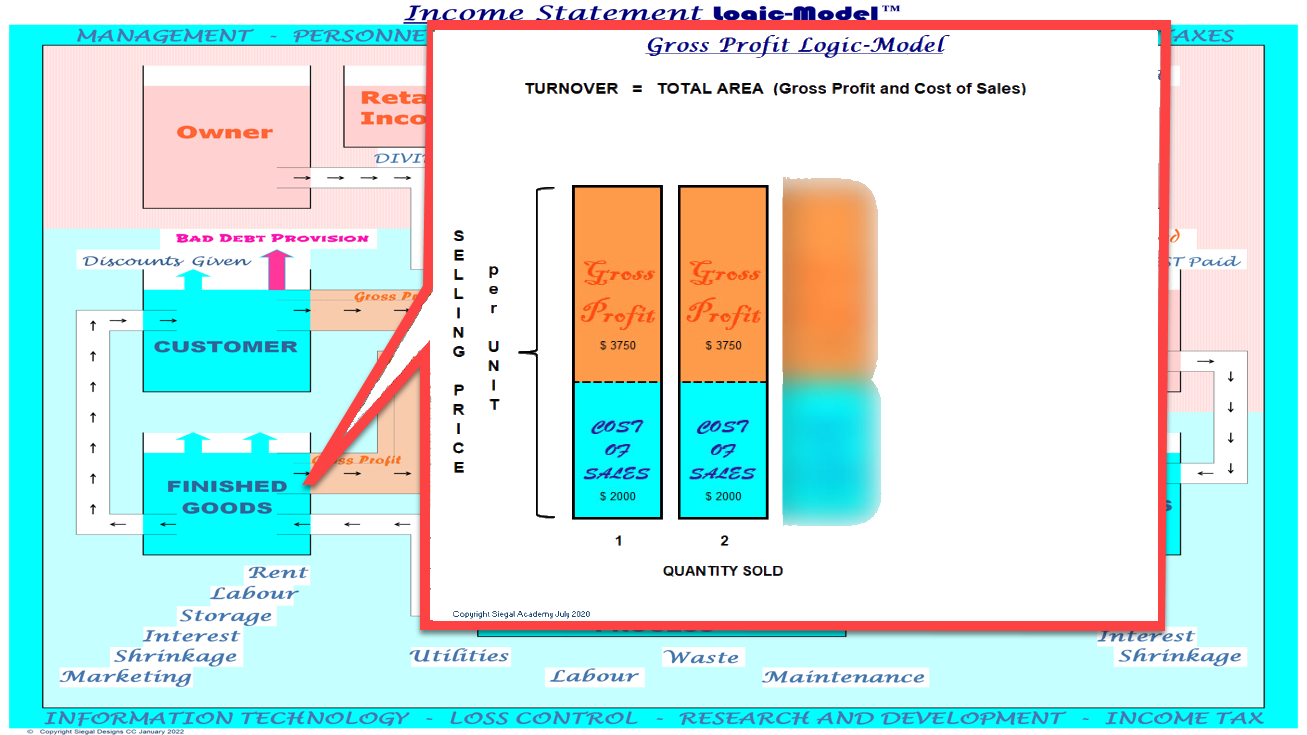
The various costs that attach to those items along this path gets confusing.
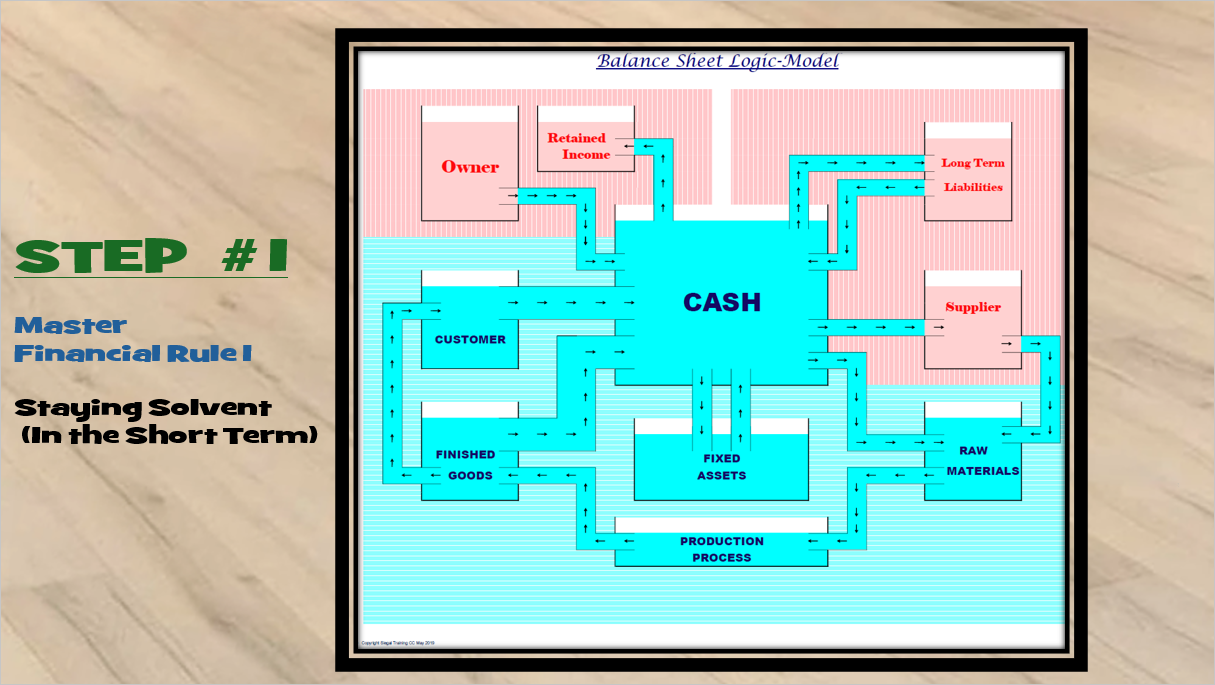
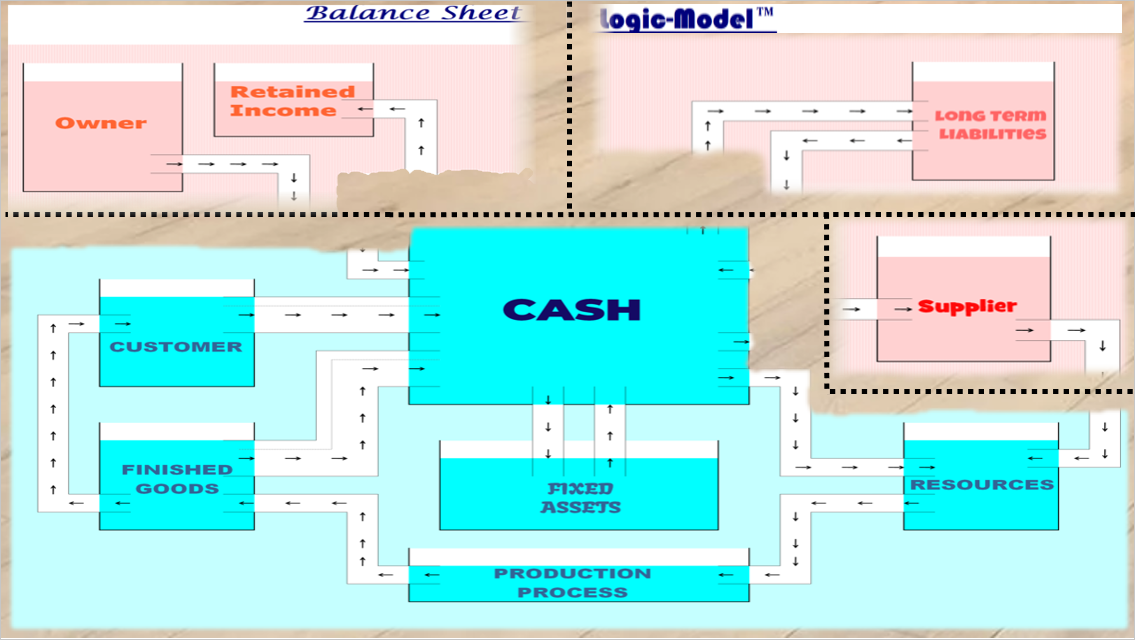
This model illustrates exactly how those values transfer through a business and how this affects cash flows ofr the business.
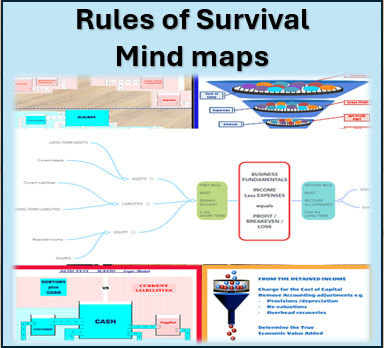
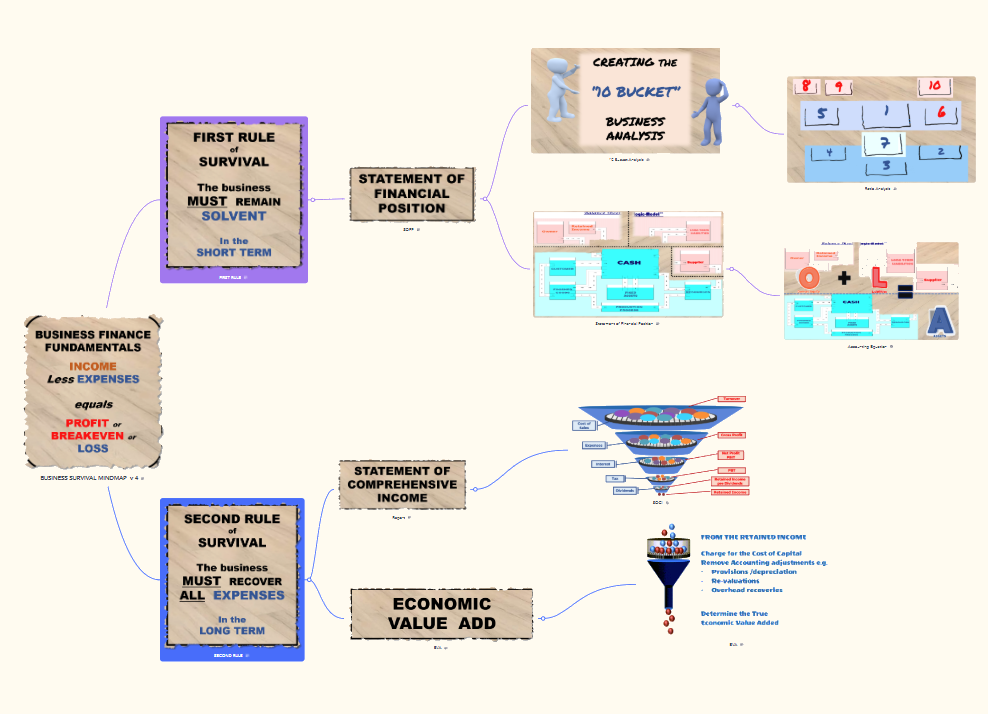
The liquidty and solvency ratios can easily be differentiated once the mind map has been grasped.
Don’t just read the text.
See the cash flow.
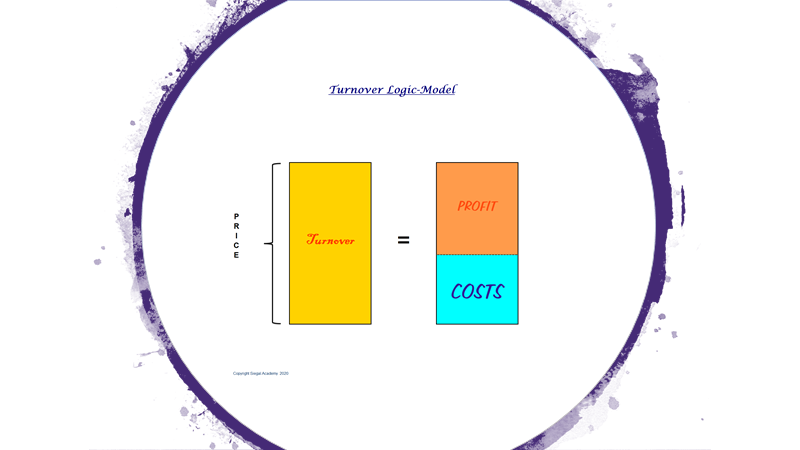
See how it relates to the other reports and suddenly it makes so much sense.
You will notice the predominant use of two colours –
You will quickly learn them and never forget them.